
Choosing the right location for commercial pilot license training can shape your entire aviation career. While many aspiring pilots focus on the aircraft or instructors, the region where you train plays an equally important role. Weather patterns, airspace complexity, operating costs, and training opportunities all influence how efficiently and effectively you progress.
For many student pilots, the Midwest has become a standout destination. Known for its balanced flying conditions, affordable training environment, and professional aviation culture, the region offers a strong foundation for pilots aiming to fly commercially. In this article, we’ll explore why the Midwest is such a smart choice and how it supports every stage of a commercial pilot’s journey.
Before diving into regional advantages, it’s important to understand what commercial pilot license training involves. This level of training allows pilots to fly aircraft professionally and earn compensation for their skills. It goes beyond recreational flying and focuses on precision, safety, and operational decision-making.
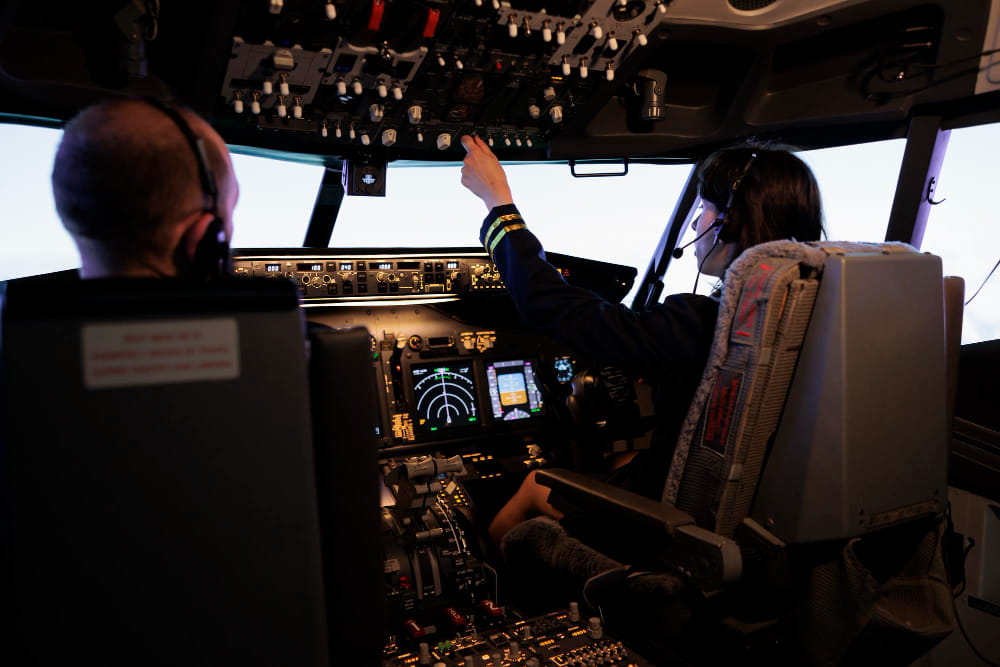
Training typically includes advanced flight maneuvers, complex aircraft operations, cross-country navigation, and scenario-based learning. Students also gain deeper knowledge of aerodynamics, aviation regulations, and performance planning. A well-structured commercial pilot training program prepares pilots not only to pass exams but also to handle real-world flying challenges.
The environment where you train directly affects your experience. Some regions offer limited flying days due to weather, while others have congested airspace that can slow progress. The Midwest strikes a rare balance, providing diverse yet manageable conditions.
Training here allows pilots to build confidence in different weather patterns without facing constant delays. In addition, the region’s aviation infrastructure supports both training flights and advanced commercial operations, helping students transition smoothly into professional roles.
One of the biggest advantages of training in the Midwest is weather consistency. While conditions change throughout the year, they rarely ground students for extended periods. This allows for steady progress and better skill retention.
Seasonal weather variations also help pilots gain experience in different conditions, which is essential for commercial aircraft pilot training. Instead of training only in perfect weather, students learn how to evaluate real-world situations, make informed decisions, and adapt safely.
Cost is a major factor for most aspiring pilots. Compared to coastal regions and major metro areas, the Midwest offers a significantly lower commercial pilot training cost. Aircraft rental, instructor fees, fuel, and airport expenses are generally more affordable.
Lower costs mean students can log more flight hours without unnecessary financial stress. This allows for better preparation and flexibility during training. In addition, affordable housing and daily living expenses make long-term training more manageable for students relocating from other regions.
Busy airspace can slow training due to long wait times and limited practice opportunities. In contrast, much of the Midwest features less congested skies, allowing students to spend more time actually flying.
This is especially beneficial during advanced stages of commercial pilot license training, where repetition and precision are critical. Students can practice maneuvers, approaches, and emergency procedures without constant interruptions, leading to faster skill development.
Most commercial pilots begin their advanced journey with a single engine commercial pilot license. The Midwest is ideal for this phase due to its wide-open training areas, variety of airports, and supportive air traffic environment.
Pilots can perform cross-country flights efficiently, practice landings at different airport types, and gain confidence operating independently. These experiences build a strong foundation before transitioning to more complex aircraft and operations.
Commercial flying is not just about technical skill. It also requires strong judgment, situational awareness, and professionalism. Midwest training environments emphasize real-world scenarios, helping students develop these critical qualities.
Exposure to agricultural regions, business hubs, and varied terrain prepares pilots for diverse operational settings. This practical experience is invaluable for those entering a professional commercial pilot training program with long-term career goals.
Flight schools in the Midwest emphasize career readiness by aligning training with professional aviation standards. Students are guided to develop disciplined habits, strong decision-making skills, and confidence in complex flight environments, all of which are essential when transitioning from student pilot to commercial operator.
This professional approach is reflected in programs offered by Midwest Corporate Air, where training focuses on safety, operational efficiency, and real-world flying expectations. By integrating these elements throughout the learning process, students are better prepared for the responsibilities and standards required in commercial aviation roles.
Many pilots who complete their commercial pilot license training in the Midwest find it easier to transition into advanced roles. The region’s strong aviation network supports connections with charter services, corporate operators, and regional aviation employers.
Training in a professional environment builds credibility and confidence, both of which are attractive to future employers. Pilots graduate with not only technical competence but also a strong understanding of professional flight operations.
Another advantage of Midwest training is the community-oriented aviation culture. Smaller airports and training centers often foster closer relationships between instructors and students. This leads to more personalized instruction and better mentorship.
Clear communication, consistent feedback, and supportive guidance help students overcome challenges more effectively. This learning environment is particularly beneficial during demanding phases of commercial aircraft pilot training, where confidence and clarity matter most.
Training intensity is important, but so is balance. The Midwest offers a pace that allows students to stay focused without feeling overwhelmed. Fewer delays and lower costs reduce pressure, making training more enjoyable and sustainable.
This balance helps pilots maintain motivation throughout their commercial pilot training program, resulting in better outcomes and long-term commitment to aviation.
The Midwest continues to stand out as a top destination for aspiring commercial pilots. From affordable costs and consistent flying conditions to supportive training environments and real-world experience, the region offers everything needed for success.
If you’re ready to take the next step toward a professional aviation career, reaching out to a trusted flight training provider can help you understand your options and plan your training path with confidence.
Whether you are pursuing a single engine commercial pilot license or preparing for advanced professional roles, choosing the right location can make all the difference. With its combination of practicality, professionalism, and opportunity, the Midwest remains a smart and strategic choice for commercial pilot training.
Commercial pilot license training is advanced flight training that allows a pilot to fly aircraft professionally and earn compensation. It includes advanced maneuvers, cross-country flights, and deeper knowledge of aviation regulations, safety, and aircraft performance.
The Midwest offers consistent flying weather, less congested airspace, and lower operating expenses. These factors allow students to complete their commercial pilot training program efficiently while gaining real-world flying experience.
The commercial pilot training cost in the Midwest is often lower than in coastal or high-traffic regions. Reduced aircraft rental rates, fuel costs, and living expenses make it a cost-effective choice for aspiring commercial pilots.
A single engine commercial pilot license is an important first step toward a professional aviation career. While many pilots later add multi-engine ratings, single-engine training builds the core skills required for commercial flying roles.
The duration of commercial aircraft pilot training depends on factors such as flight frequency, weather conditions, and individual progress. Training can often be completed faster in the Midwest due to fewer weather delays and efficient scheduling.