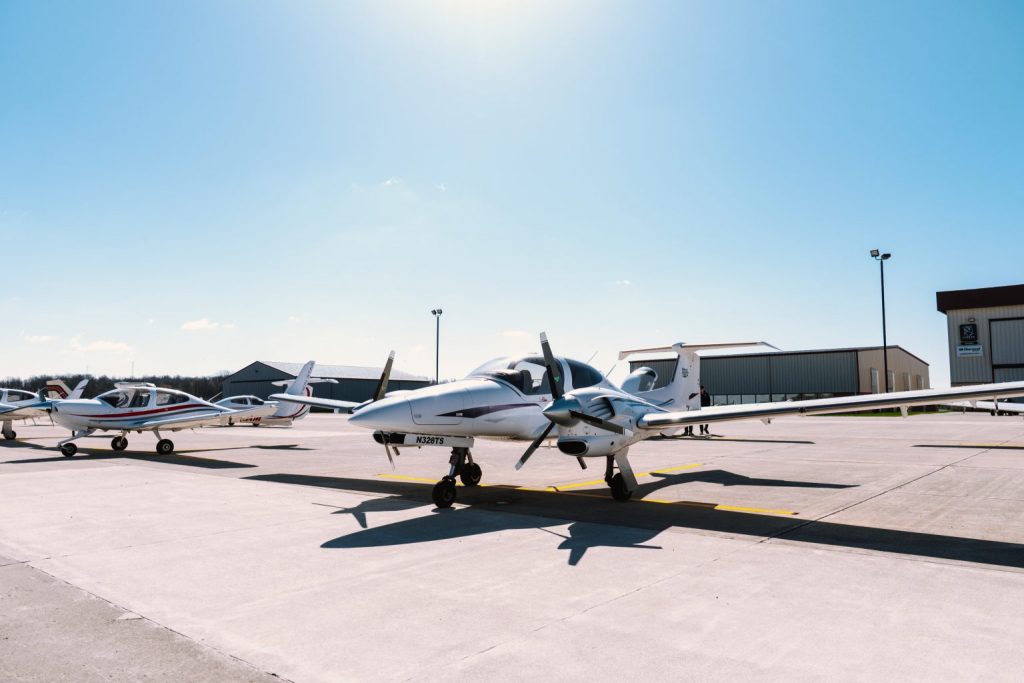
Multi engine flight training is a major turning point for pilots who are serious about building a professional aviation career. While many pilots begin flying with single-engine airplanes, most commercial and airline roles require experience operating aircraft with more than one engine. This training introduces higher speeds, more complex systems, and a greater responsibility for safety and decision-making.
In the early stages of a pilot’s journey, private flight training focuses on mastering basic aircraft control and navigation. Multi engine flight training builds on that foundation by teaching pilots how to manage complex aircraft while thinking several steps ahead. For career-focused pilots, this type of training is not just valuable, it is essential.
Multi engine flight training teaches pilots how to operate airplanes equipped with two engines working together. These aircraft behave differently from single-engine airplanes and demand a deeper understanding of aerodynamics, performance, and systems management. Pilots learn how power is distributed across engines and how aircraft handling changes under various flight conditions.
A core part of the training involves learning how to safely manage abnormal and emergency situations. Pilots practice identifying engine failures quickly, applying correct procedures, and maintaining control of the aircraft. This structured approach helps pilots develop discipline, accuracy, and confidence, qualities that are critical in professional aviation environments.
Multi engine aircraft training develops advanced skills that go far beyond what pilots experience during private flight training. One of the most important skills learned is engine-out control. Pilots practice recognizing failures immediately and responding with correct control inputs while maintaining safe airspeed and directional control.
In addition to emergency handling, pilots gain a strong understanding of asymmetric thrust, critical engine theory, and advanced aerodynamics. They also learn to manage more complex electrical, fuel, and propeller systems. These skills sharpen situational awareness and help pilots remain calm and focused during high-workload situations.
For pilots pursuing aviation as a career, multi engine flight training is a requirement rather than an option. Airlines, charter operators, and corporate flight departments rely heavily on multi-engine aircraft, and they expect pilots to be comfortable operating them safely.
This training shows employers that a pilot can manage risk, follow structured procedures, and make sound decisions under pressure. It also demonstrates readiness for advanced aircraft such as turboprops and jets. Without multi engine flight training, many professional aviation doors remain closed.
Private flight training introduces pilots to flying fundamentals, including takeoffs, landings, and basic navigation. It emphasizes simplicity and confidence-building. Multi engine flight training, however, shifts the focus toward professionalism and precision.
Aircraft are faster, systems are more complex, and the margin for error is smaller. Pilots must stay ahead of the airplane at all times. While private flight training teaches how to fly, multi engine aircraft training teaches how to manage flight safely and efficiently in real-world conditions.
A skilled multi engine flight instructor plays a vital role in a pilot’s development. These instructors bring real-world experience and advanced knowledge that help students understand not just how to fly, but why procedures exist.
They emphasize checklist discipline, risk management, and decision-making skills that mirror professional operations. A strong instructor ensures that pilots develop safe habits early, preparing them for airline-style training and long-term career success.
An accelerated multi engine rating is designed for pilots who want to complete training in a shorter time frame. These programs are intensive and require full focus, often involving daily flight and ground sessions.
Accelerated training can be very effective for pilots who already have solid flying skills and strong study habits. The fast pace helps reinforce learning through repetition, but it also requires dedication and preparation. Pilots considering this option should be confident in their ability to absorb complex material quickly.
Safety is one of the strongest benefits of multi engine flight training. While having two engines provides redundancy, pilots must know how to use that redundancy correctly. Training emphasizes early problem recognition, correct prioritization of actions, and safe landing techniques when performance is reduced.
These safety lessons stay with pilots throughout their careers. Even when flying single-engine aircraft later, pilots often apply the disciplined thinking developed during multi engine aircraft training.
Completing multi engine flight training significantly expands a pilot’s career options. Pilots become qualified for airline roles, charter operations, corporate aviation positions, and instructional careers. Many also move into specialized flying such as aerial survey or cargo operations.
Training at a professional aviation center like Midwest Corporate Air provides pilots with structured instruction and exposure to real-world standards.
Airline training programs are built around procedures, checklists, and teamwork. Multi engine flight training introduces these concepts early, helping pilots adapt more easily to airline environments.
Pilots learn standardized operating procedures, performance calculations, and crew coordination techniques. This preparation reduces training stress and improves overall confidence when transitioning to airline aircraft.
Multi engine aircraft training is demanding, especially for pilots accustomed to simpler airplanes. Increased workload, faster speeds, and complex systems can feel overwhelming at first.
However, with proper instruction and preparation, these challenges become valuable learning experiences. Pilots who commit to the process often find that their overall flying skills improve dramatically.
Preparation plays a major role in training success. Pilots who review performance charts, study engine-out procedures, and strengthen checklist habits before training often progress more smoothly.
Being well-prepared allows pilots to focus on mastering new skills rather than struggling with basic concepts. Good preparation also builds confidence, which is essential in advanced training environments.
Multi engine flight training is one of the most important steps in a pilot’s professional journey. It changes how pilots think, plan, and operate aircraft, building stronger discipline, confidence, and safety awareness that last throughout a flying career.
Pilots who are ready to take the next step are encouraged to contact us to learn more about training options, timelines, and career-focused pathways. For those aiming at airlines, charter flying, or instructional roles, multi engine aircraft training remains a smart and necessary investment in their future.
Multi-engine flight training prepares pilots to safely operate aircraft with two engines, focusing on advanced systems and emergency procedures.
Yes, most airline and commercial aviation careers require multi-engine flight experience.
Training duration varies, but many pilots complete it within a few weeks, especially through accelerated programs.
An accelerated multi-engine rating is an intensive training option that allows pilots to earn their rating in a shorter time frame.
Yes, pilots must complete private flight training and typically hold a commercial certificate before starting multi-engine training.